
Busy boards have become an essential tool for early childhood development, and their popularity has grown significantly in recent years. These interactive boards, designed with various manipulative elements such as latches, buttons, switches, and zippers, are not just toys—they are learning tools that encourage children to explore, develop skills, and gain confidence. In this guide, everything you need to know about busy boards will be explained, including their benefits, types, how to choose the right one, and tips for using them effectively.
What Are Busy Boards?
Busy boards, also known as activity or sensory boards, are interactive learning tools designed for young children. Each board includes practical items that let kids practice fine motor skills, problem-solving, and hand–eye coordination.
As children explore these boards, they actively develop coordination, logic, and patience. Busy boards are especially useful for toddlers and preschoolers, though even older kids enjoy experimenting with different textures, switches, and locks.
Benefits of Busy Boards
Busy boards provide more than fun—they build important life skills through play. Let’s look at their key benefits:
1. Development of Fine Motor Skills
- Skills such as buttoning, zipping, and turning knobs are strengthened as hands and fingers are exercised.
- Through repeated engagement, dexterity is improved, preparing children for writing and other intricate tasks.
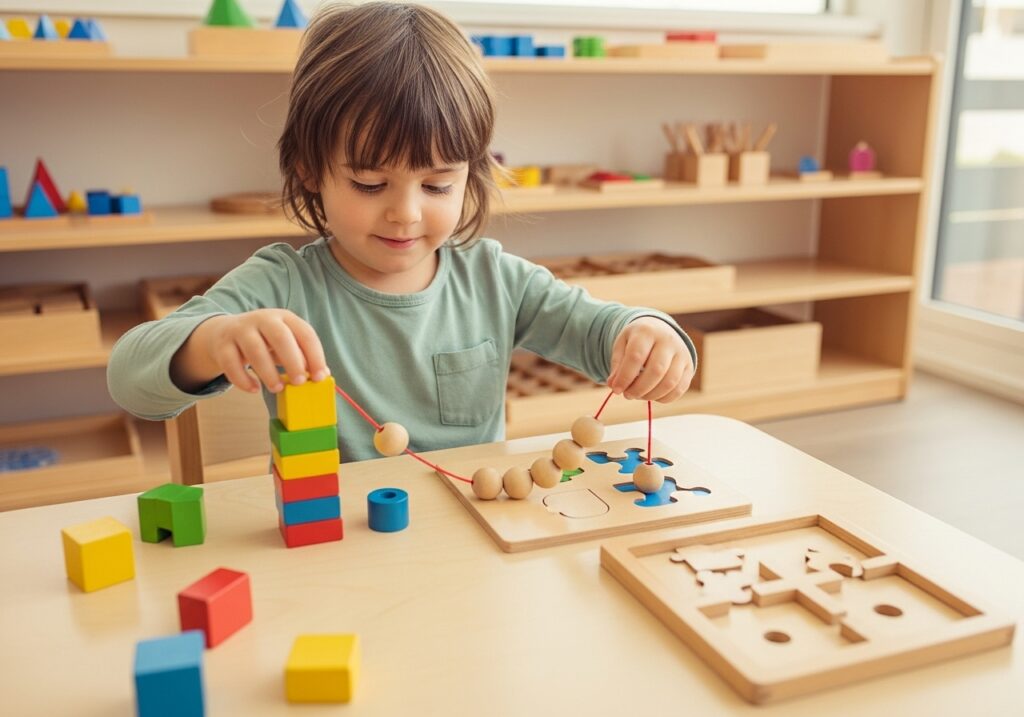
2. Cognitive Growth and Problem-Solving
- As challenges are presented on a busy board, children are encouraged to think critically and solve problems independently.
- Cognitive development is supported passively while the child is engaged in play.
3. Sensory Exploration
- Busy boards are often made with a combination of textures, colors, and materials.
- Through touch and visual stimuli, children are introduced to sensory learning, which plays a crucial role in early brain development.
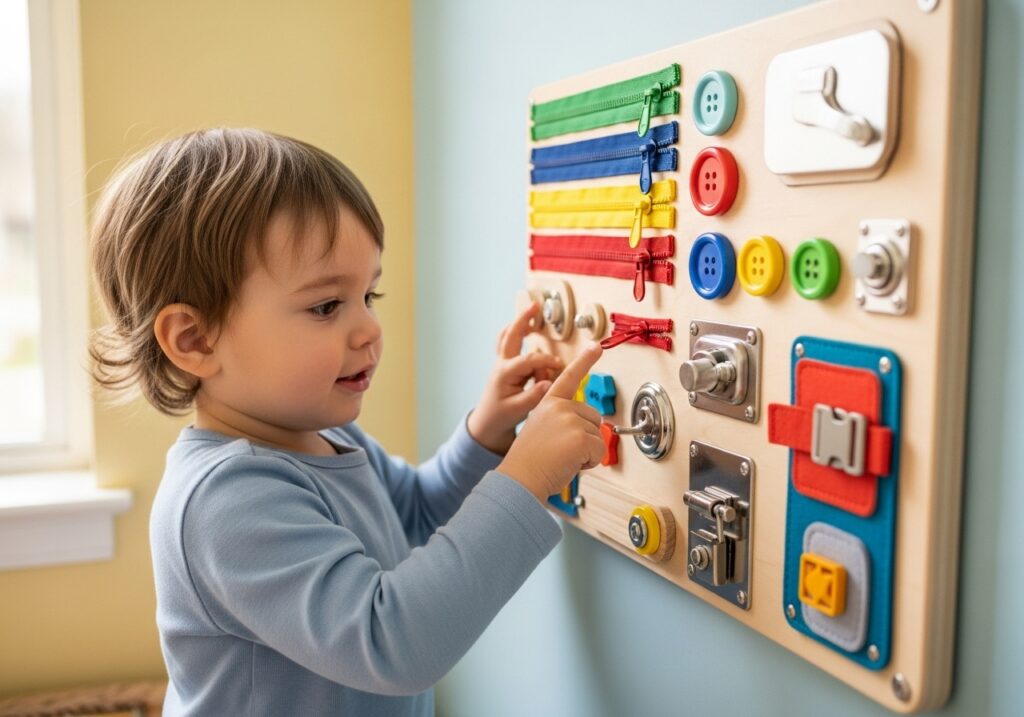
4. Focus and Patience
- Children can spend long periods concentrating on specific tasks, building their attention span and patience.
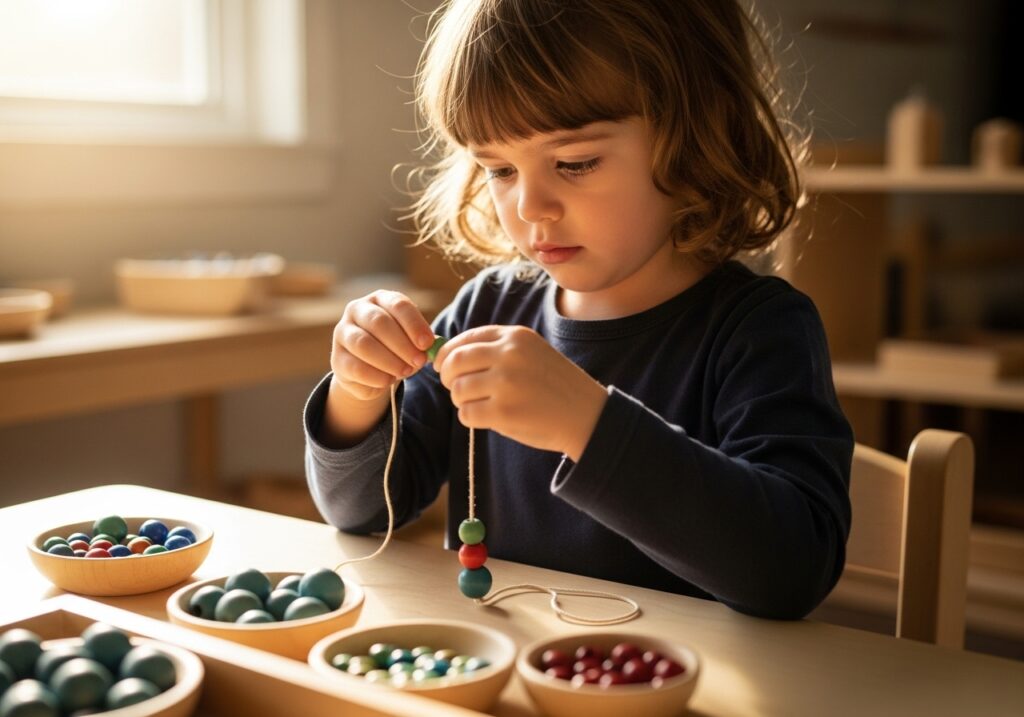
5. Confidence and Independence
- Mastering small challenges on a busy board boosts self-confidence and encourages independent play.
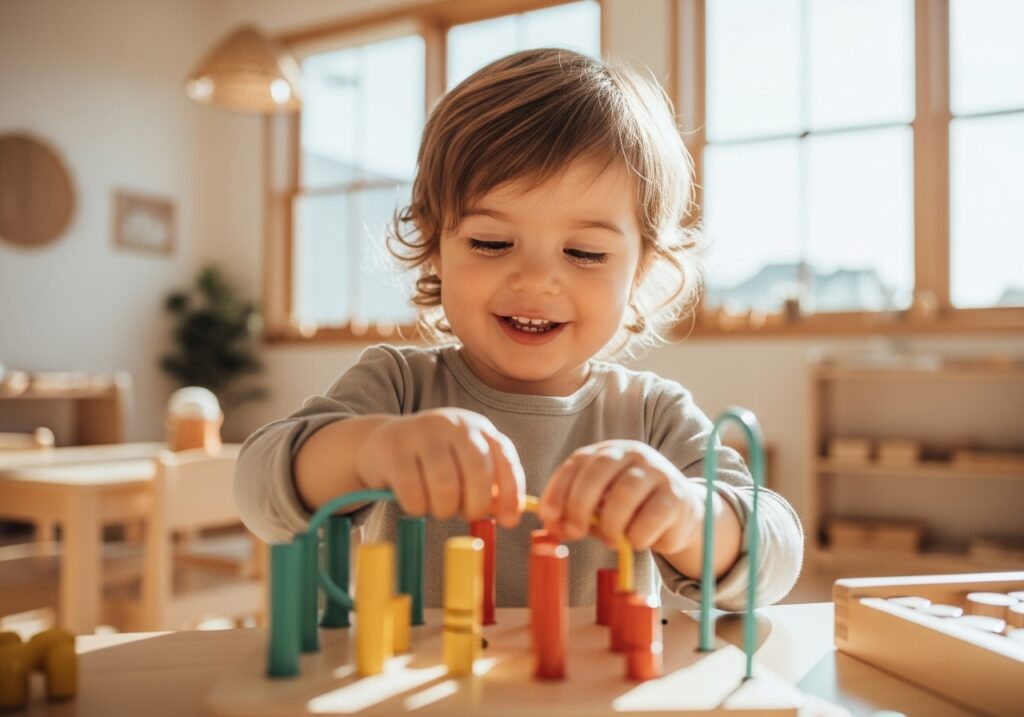
Types of Busy Boards
Busy boards are available in a variety of forms. Depending on your preferences and resources, you can choose from:
1. DIY Busy Boards
- DIY boards are made at home using safe household items.
- Items such as old locks, laces, buttons, and knobs can be attached to a wooden board.
- Creativity is encouraged, and boards can be personalized according to the child’s interests.
2. Commercial Busy Boards
- Pre-made boards are sold online or in stores, often designed with durability and safety in mind.
- Many commercial boards come with colorful and engaging elements that appeal to young children.
3. Theme-Based Busy Boards
- Boards can be tailored according to themes such as animals, vehicles, or favorite cartoon characters.
- These specialized boards often combine learning with familiar and engaging concepts.
If you’re looking for safe, colorful, and engaging boards, explore our collection of Educational Busy Boards by The Alpha Kidz — thoughtfully crafted for every stage of your child’s growth.
How to Choose the Right Busy Board
Selecting the right busy board is essential to maximize its benefits:
- Safety First: Small parts should be avoided for toddlers to prevent choking hazards.
- Age Appropriateness: The complexity of the board should match the child’s age and skill level.
- Material Quality: Non-toxic, durable, and safe materials should always be prioritized.
- Variety of Activities: A mix of activities—such as buttons, latches, zippers, and switches—should be included to keep the child engaged.
By considering these factors, parents can ensure that their busy board is both educational and safe.
How to Use Busy Boards Effectively
To maximize the educational value of busy boards, the following methods are recommended:
1.Introduce Elements Gradually
- Present new tasks one at a time to avoid overwhelming the child.
- Slowly increasing complexity helps build confidence.
2.Encourage Independent Play
- While supervision is necessary, children should be allowed to explore the board on their own.
- Independent play fosters problem-solving and creativity.
3.Combine With Storytelling or Role Play
- Using the board alongside imaginative play can enhance learning.
- For example, turning a latch can become part of a “door-opening” game, making learning contextual.
4.Rotate Elements Occasionally
- Changing or rotating the items on the board prevents boredom.
- New challenges can keep the child engaged and continuously learning.